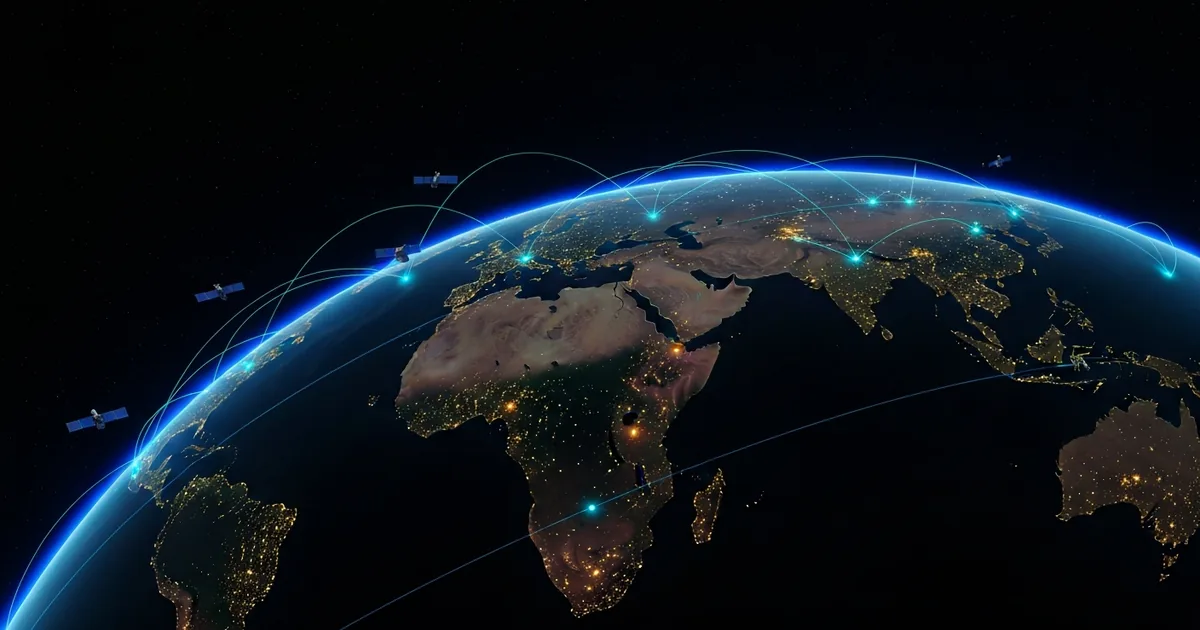
Big news from the Tuxxin team: we just released the newest website into the Tuxxin Suite - overwatch.earth. It is the most ambitious thing we have ever put on a single screen, and it is completely free with no account or login.
The pitch is simple: watch the planet live, on one globe. overwatch.earth is a single interactive 3D Earth that overlays roughly 31 live data layers at once - aircraft, ships, earthquakes, wildfires, lightning, submarine cables, internet outages, satellites, the entire Starlink constellation, air quality, rocket launches and more. Spin it, zoom in, and click any point on the globe to inspect the actual record behind it.
What you can watch
Every feed comes from an open, public, real-time source, and each one is fully credited on the site. We have grouped the layers so they are easy to explore - here is the lay of the land.
Things that move
- Aircraft from ADS-B (adsb.fi), plus military aircraft from adsb.lol
- Ships streaming live over AIS
- Trains (Amtrak) and city public transit from Transitland
- The world's airports from OurAirports
What the planet is doing
- Earthquakes from USGS and EMSC, updating every 60 seconds
- Wildfires from NASA FIRMS
- Lightning from Blitzortung, aurora from NOAA, ocean buoys from NOAA NDBC
- Air quality from OpenAQ and weather alerts from the US National Weather Service
- Volcanoes from the Smithsonian, disaster alerts from GDACS, and natural events from NASA EONET
The digital world
- Submarine cables from TeleGeography - the literal backbone of the internet
- Internet outages from Cloudflare Radar and IODA
- Data centers and exchange points from PeeringDB
- Live BGP routing events - leaks, hijacks and outages - powered by our own WorldIP.io. Yes, one Tuxxin Suite tool feeding another.
Overhead
- Tracked satellites and the ISS, propagated from CelesTrak orbital data
- The full Starlink constellation - over 10,000 satellites at once
- Upcoming rocket launches from Launch Library 2 and NASA's Deep Space Network dish activity
Curiosities
- Live Wikipedia edits as they happen, tens of thousands of public webcams
- iNaturalist wildlife sightings and rare bird sightings from eBird
- Fireballs from NASA CNEOS
Grouped for easy viewing
The homepage shows every active layer together, which is gorgeous but a lot. So we also built focused views: every single layer has its own page (for example flights, earthquakes, or starlink), and the layers are bundled into themed overview pages - transit, environmental, digital and curiosity - so you can watch just the slice you care about. You can see the whole map of pages in the sitemap.
How it works
Each feed updates on its own cadence - seconds for flights and lightning, minutes for quakes and air quality, hours for the slower reference layers - and any layer automatically drops off the globe when its source goes quiet, so you are only ever looking at data that is genuinely live. There is even a 24-hour replay so you can scrub back through time on the moving layers.
Under the hood it is rendered with globe.gl and three.js on desktop and MapLibre GL on mobile, backed by Node.js, Fastify, Redis and ClickHouse, and served through a Cloudflare tunnel. Privacy is built in: analytics are cookieless and raw IP addresses are never stored.
Go watch the planet
overwatch.earth is live now at overwatch.earth - free, no login, works on desktop and mobile (you just need a modern browser with WebGL). If you want the full breakdown of every data source, update cadence and the tech behind it, the about page lays it all out with complete transparency.
It joins iNetPanel, Webshot, the Image Converter, QR Code Tracker, WorldIP.io and DuckyTrack in the growing Tuxxin Suite. Go spin the globe - we think you'll lose a good chunk of your afternoon to it. We did.